What whole animal butchering actually changes about your dinner
Why the case looks different on a Tuesday than it did on a Saturday, and why that is the point.
September 22, 2026 · 4 min read
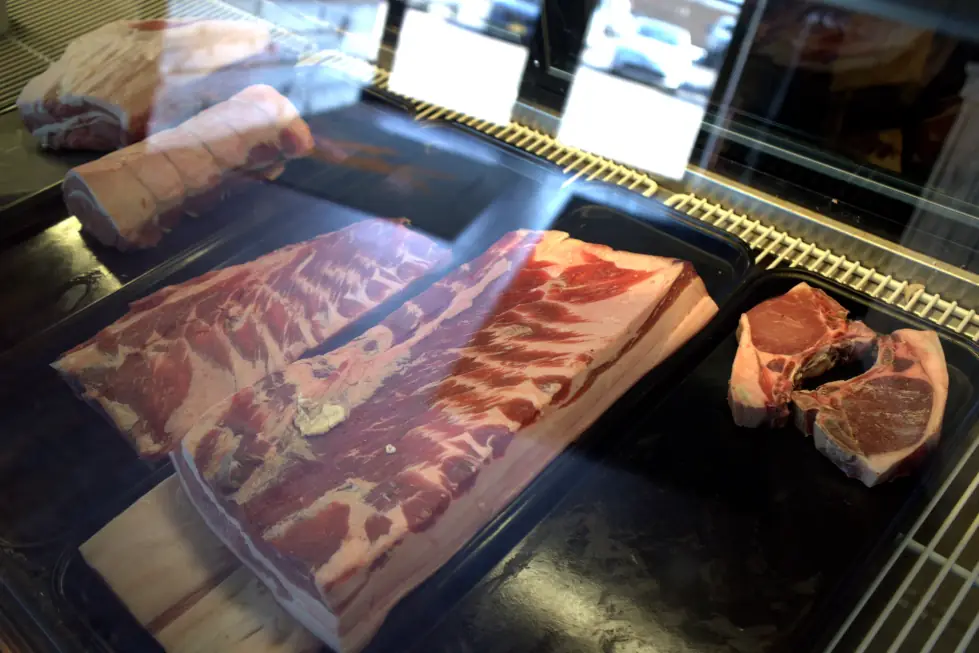
Most meat sold in America arrives at the shop already broken down. A supplier cuts the animal somewhere else, packs the pieces into boxes by cut, and a counter puts those boxes out. The person selling you a ribeye may never have seen the animal it came from, and the shop has no particular reason to care what happened to the rest of it.
Whole animal butchering works the other way around. The animal arrives whole, and it gets broken down here. That single difference changes more about your dinner than most people expect, and not all of it is obvious.
The case changes through the week, and that is a feature
When you break down a whole animal, you do not get to choose what you end up with. A side of beef is mostly not ribeye. It is chuck and round and brisket and flank and a great deal of trim, and all of it has to find a use in the days after it is cut.
So the case moves. Early in the week you may find more of the steaks that got cut last, later in the week the slower cuts and the things that have been worked on in the kitchen. A shop selling boxed primals can keep an identical case every day of the year. A shop cutting whole animals cannot, and would be doing something strange if it could.
The practical advice that follows is simple: if you want something specific, ring ahead. Anything in the case is available by the pound, and custom cuts and special orders are welcome, but a particular cut on a particular day is worth a phone call rather than a hopeful drive.
Nothing is wasted, which is where the good value hides
Every cut is used sustainably, and that is not only an environmental argument. The trim from cutting steaks is what becomes the ground beef, which is made here daily. The pork that does not become chops becomes the house made sausage and the bacon. The cuts that reward long cooking end up smoked.
This is why a whole animal shop tends to be better value than it looks from the front of the case. The premium steaks are priced like premium steaks anywhere. The things around them, the ground beef, the sausage, the cuts that take time, are usually better than the equivalent from a supermarket at a similar price, because they are made from the same animal by the same people rather than bought in separately.
The person cutting it knows where it came from
A butcher who has broken down the whole carcass can tell you where on the animal your cut sits, what it is next to, and what it will do in a pan. That is a different conversation from reading a label out loud.
It also means you can ask for things that are not out. Thicker chops than the ones on the tray. A roast tied a particular way. A cut you have read about and never seen. None of that is exotic in a shop that is already handling the whole animal, because the rest of the animal is genuinely there.
Where the meat comes from in the first place
All of the meat here is sourced from local farms. Ohio farm to table, raised without antibiotics, grass and grain fed. The chalkboard in the shop puts it plainly: free of hormones, antibiotics and preservatives.
Sourcing this way costs more per pound than buying commodity meat, and it limits what is available in a given week. That trade is deliberate. It is the reason the flavour is consistent from one month to the next, and the reason the staff can answer where something came from without checking.
What to do with it
- Ask what was cut most recently. It is the freshest thing in the case and often the best value.
- Buy the ground beef, the sausage and the bacon. All three are made here daily and are the clearest demonstration of what whole animal butchering does.
- If you are cooking for a crowd, call ahead rather than arriving hopeful. Brisket and pulled pork are available by the pound as well as in a sandwich.
- Ask the person behind the counter what they would cook this week. They broke the animal down, so the answer is real.
There is one more thing worth knowing about buying meat here, and it has nothing to do with the meat. One hundred percent of the profits are donated to charity, funding the Little Mountain Animal Sanctuary. The cut is the reason to come in. What the margin does afterwards is a reason to come back.
The Butcher's Pantry & Restaurant, (440) 999-0990
Call (440) 999-0990More articles
How to buy a steak from a butcher counter without guessing
Four questions that get you a better steak than reading the labels ever will.
Why the brisket is only on Friday and Saturday
Smoking a brisket is not a service you can switch on at lunchtime, and the calendar is the honest version of that.